
Ball Head Guide
Ball Heads & Tripod Heads, explained.
Smooth, precise control for any composition. This guide explains what ball heads do, how they differ from other tripod heads, and how to choose the right head for your camera setup and shooting style.
Why the Tripod Head Matters
Your tripod is only as good as the head on top.
The tripod head is the control center of your support system, responsible for how smoothly you can frame, lock, and adjust your camera. A poor-quality head can slip, vibrate, or fight your adjustments, even on a solid tripod. A well-engineered head delivers predictable friction, secure lockdown, and repeatable framing, so your camera stays exactly where you set it.
What Is a Ball Head?
One control for fast, fluid positioning.
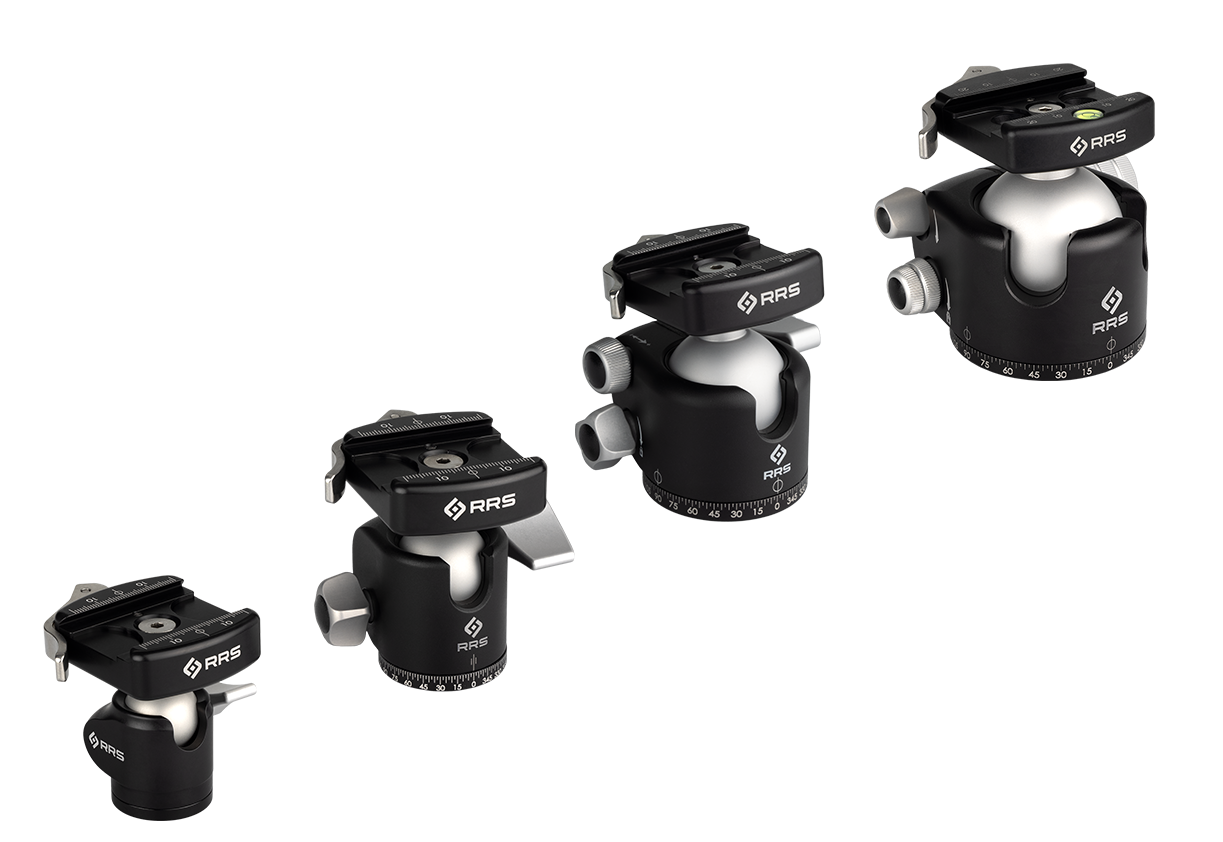
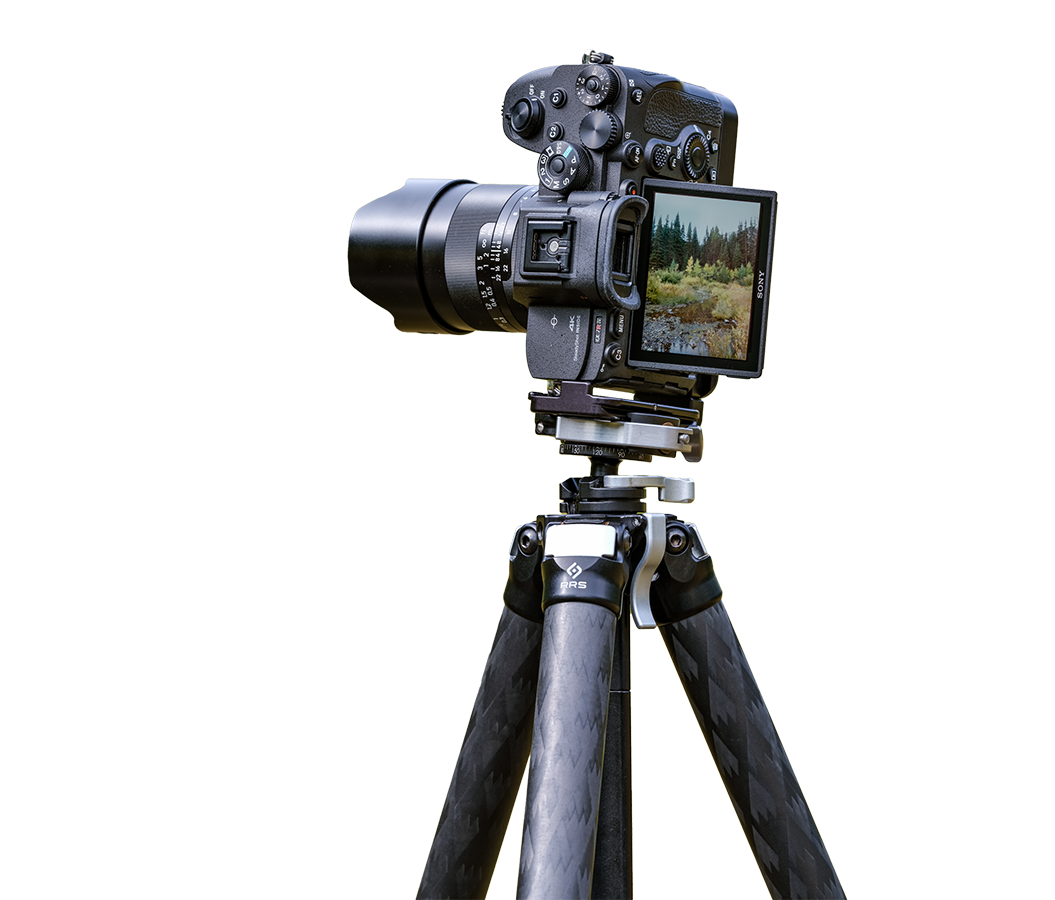
A ball head uses a precision ball-and-socket mechanism that allows your camera to tilt and swivel freely in almost any direction. With a single main knob, you can loosen the ball to recompose, then lock it down in a stable position in seconds. Compared to multi-axis heads, a ball head offers a compact design, fast operation, and excellent stability for general photography.
Ball Heads vs Other Head Types
Different heads for different jobs.
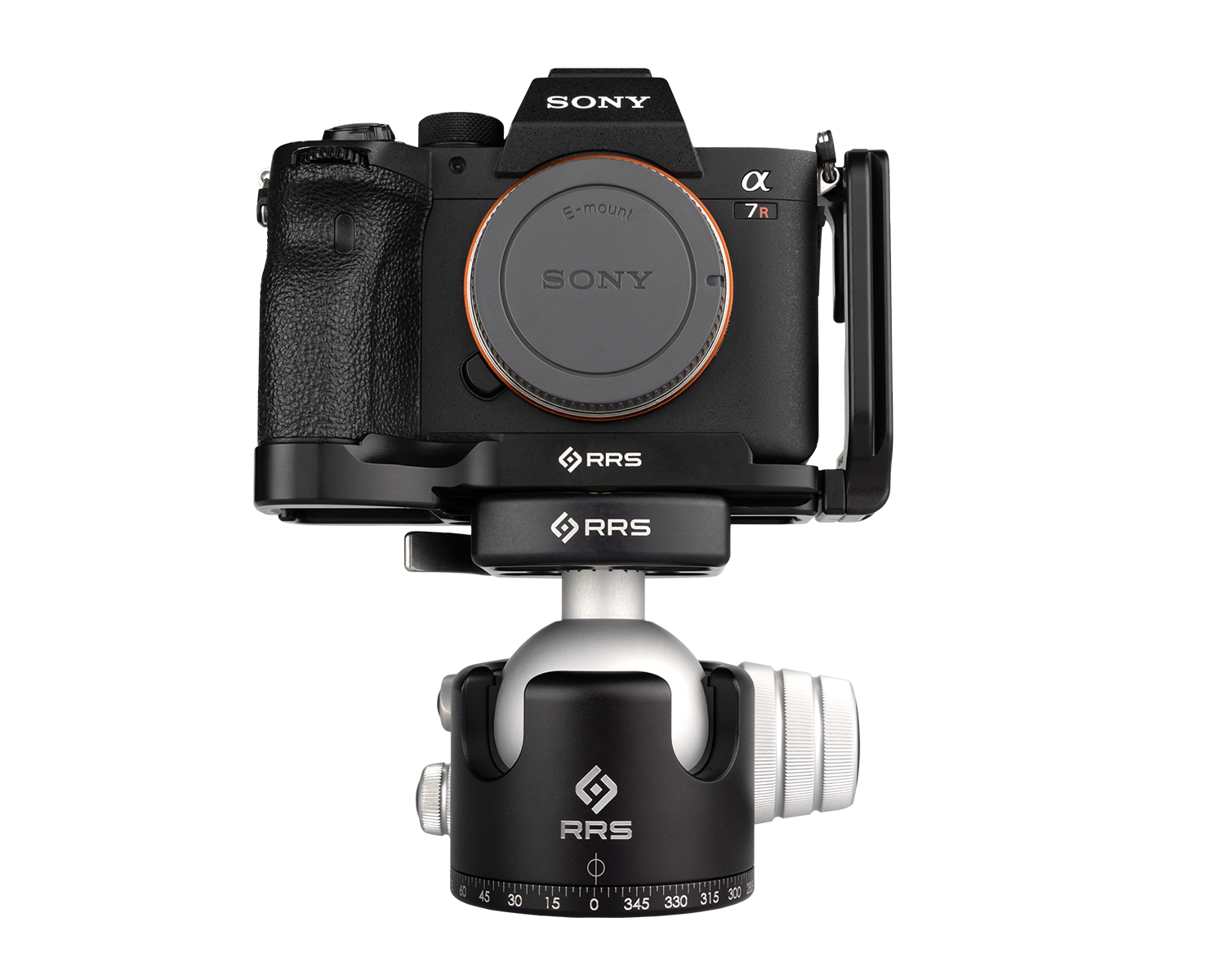
- Ball heads: Fast, versatile, and compact for general stills work
- Pan-tilt heads: Independent axis control for methodical, incremental adjustments
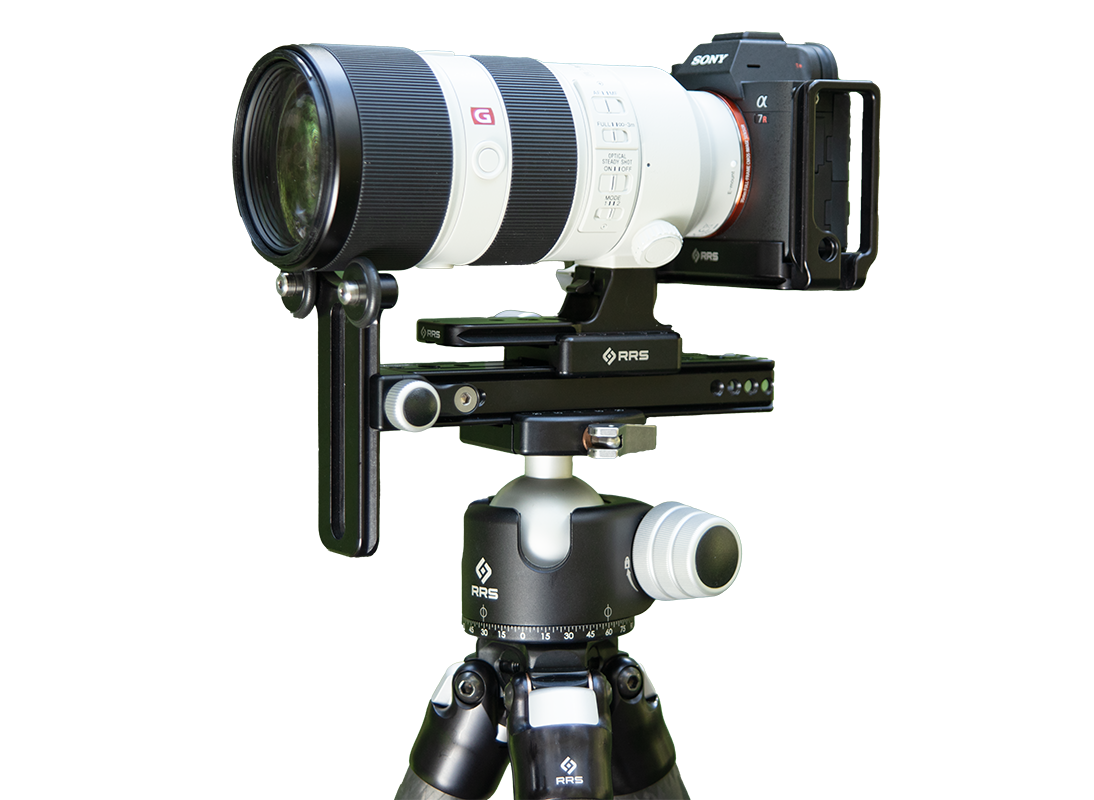
- Gimbal heads: Balanced support for long telephotos and tracking moving subjects
- Video/fluid heads: Smooth, controlled motion optimized for video panning and tilting
Ball heads strike an ideal balance of speed, size, and stability for landscape, travel, and everyday photography, while specialized heads excel in more niche scenarios.
Key Ball Head Features Explained
The right features make control intuitive.
- Main lock knob: sets overall friction and locks the ball in place
- Tension or drag control: fine-tunes how freely the ball moves before locking
- Dedicated pan base lock: allows level panning without disturbing tilt
- Drop notches: enable quick shifts to steep angles or vertical orientation
- Integrated clamp: secures Arca-style plates, L-Brackets, and rails
A well-designed ball head provides distinct, positive controls you can adjust by feel, even in the dark or with gloves.
Load Capacity & Sizing
Match the head to the real weight of your system.
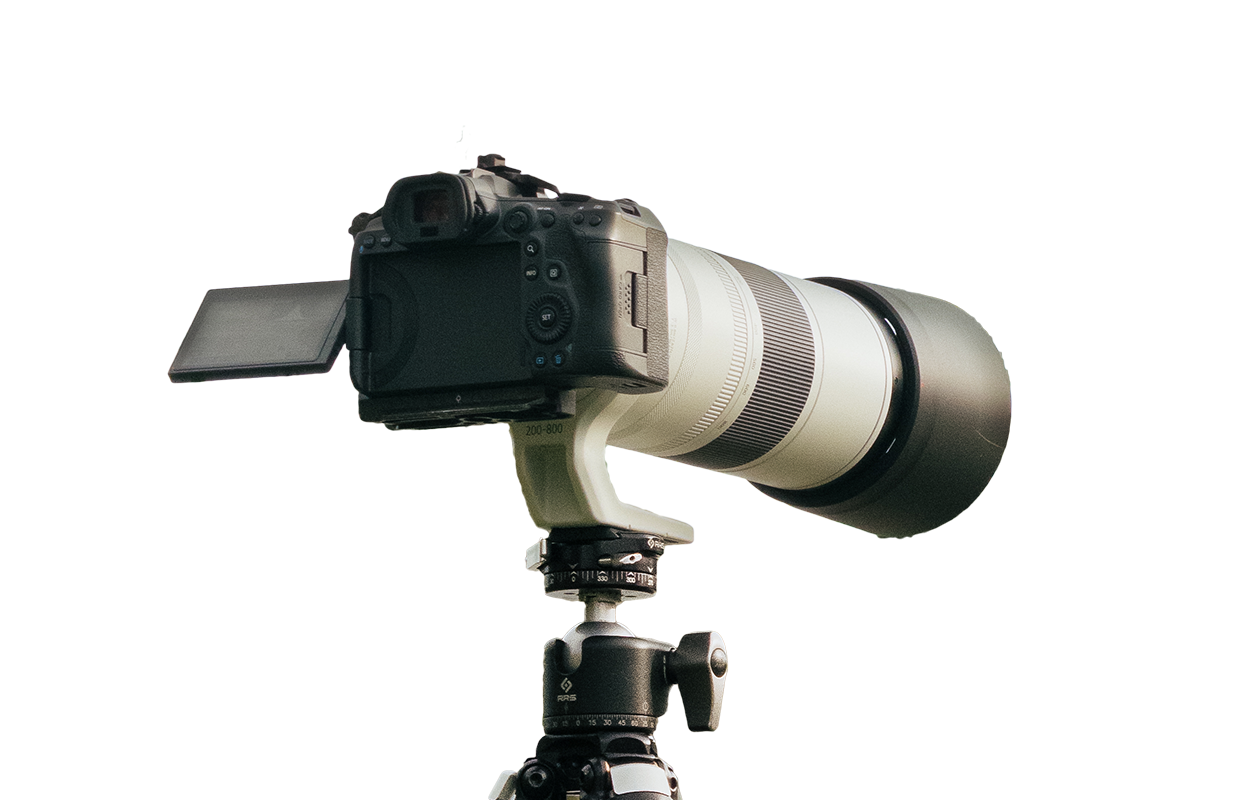
Ball head load ratings should comfortably exceed the total weight of your camera, heaviest lens, and accessories. Choosing a head that is too small can lead to creep, vibration, and imprecise control, especially with telephoto lenses. A properly sized head will lock solidly with minimal effort and maintain framing, even when the camera is angled off-center. Our BH-25, BH-30, BH-40, and BH-55 are named for the diameter of their internal ball (25 mm, 30 mm, 40 mm, and 55 mm), so as the number increases, so does the head's size and potential support capacity.
Clamps, Plates & Arca-Style Mounting
Secure, repeatable mounting across your whole system.
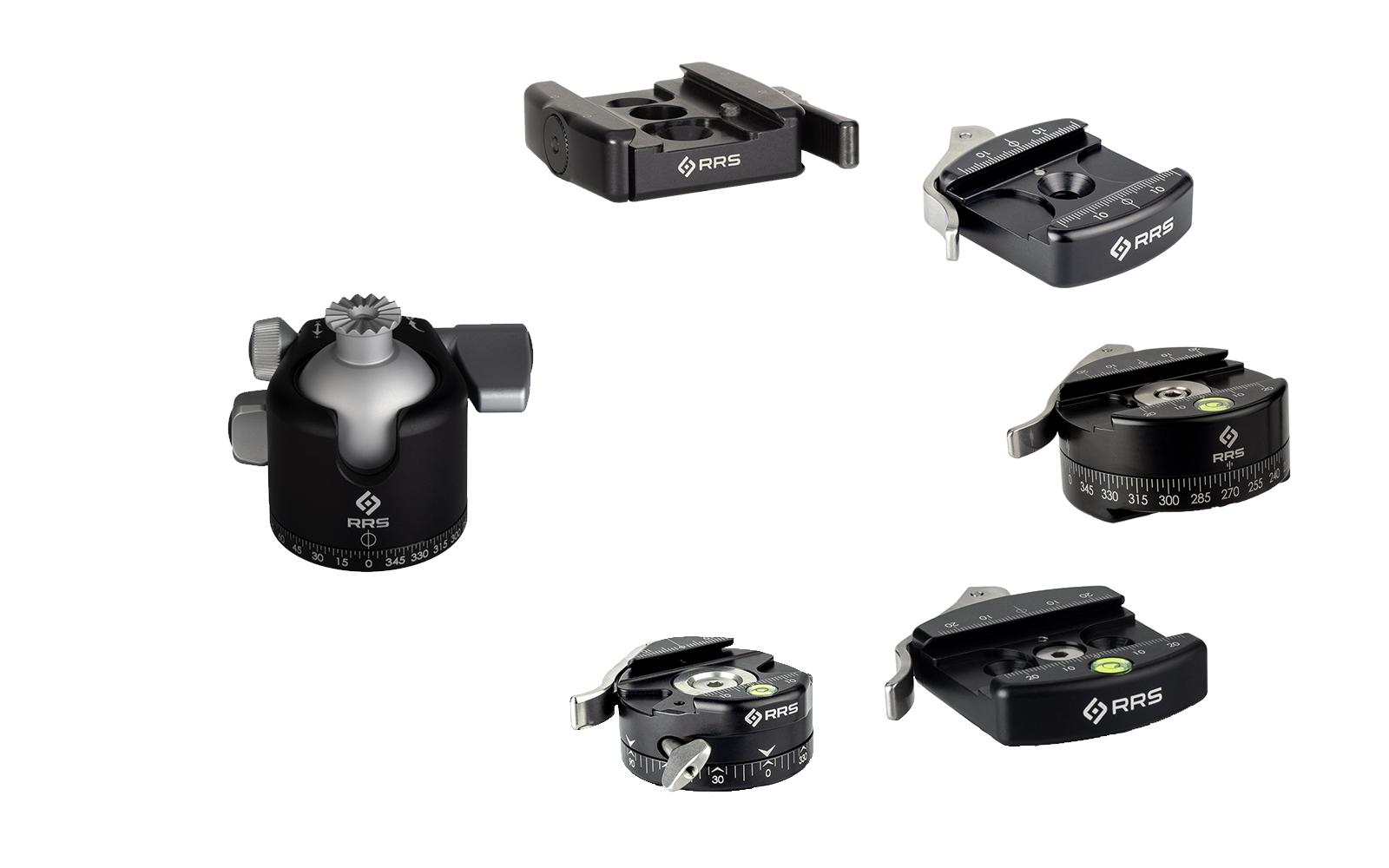
RRS ball heads use our 1.5" dovetail clamp interface, commonly referred to as Arca-style, to connect with camera plates, L-Brackets, and rails. This shared standard lets you move a camera or lens between tripods, heads, and support accessories without changing plates. Lever-release or knob-style clamps offer different ergonomics, but both are designed for secure, precise engagement with Arca-type dovetails.
Panning, Framing & Precision
Fine framing without fighting your gear.
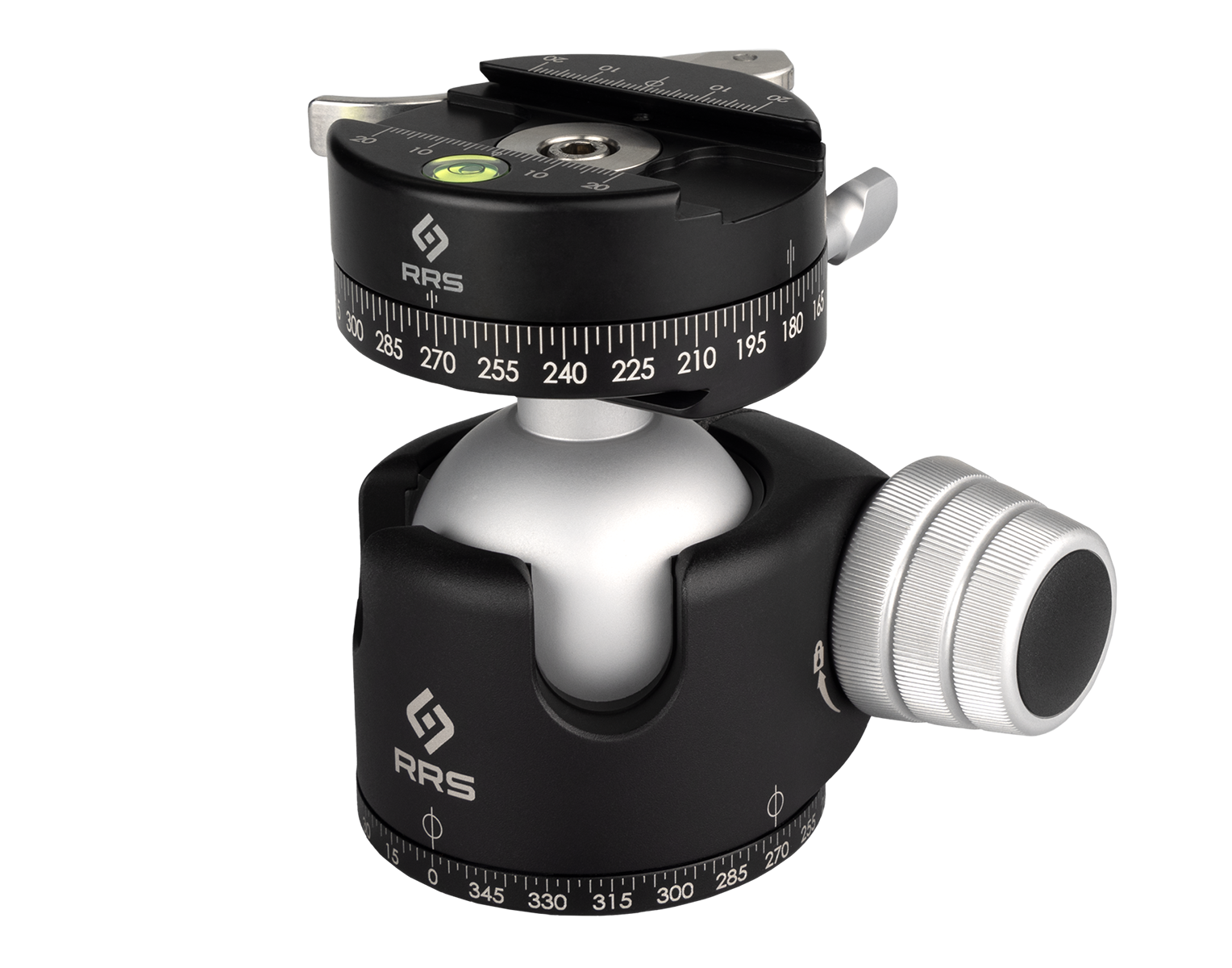
A separate panning base allows you to level the head, then rotate smoothly for panoramas or refined horizontal adjustments. When paired with an L-Bracket or nodal rail, this makes multi-frame stitches and architectural alignments easier and more consistent. Clear index markings help you return to specific positions and repeat camera angles when needed.
Materials & Build Quality
Built to hold position in real-world conditions.
- CNC-machined components for tight tolerances and smooth movement
- Hard-anodized aluminum for durability and corrosion resistance
- Precision ball surfaces for consistent friction and lockdown
- Made to withstand demanding professional field use
Investing in a high-quality ball head means your framing stays locked, even after years of heavy use in harsh environments.
Who Benefits Most from Ball Heads?
Versatile support for a wide range of shooters.
- Landscape and travel photographers who need fast, flexible framing
- Outdoor and adventure shooters who value compact, lightweight support
- Portrait and lifestyle photographers working on-location with mixed setups
- Macro and close-up shooters who require fine positioning and stable lockdown
- Hybrid creators who need one head that can handle varied assignments
The RRS Approach to Ball Heads
Integrated design for a complete support system.
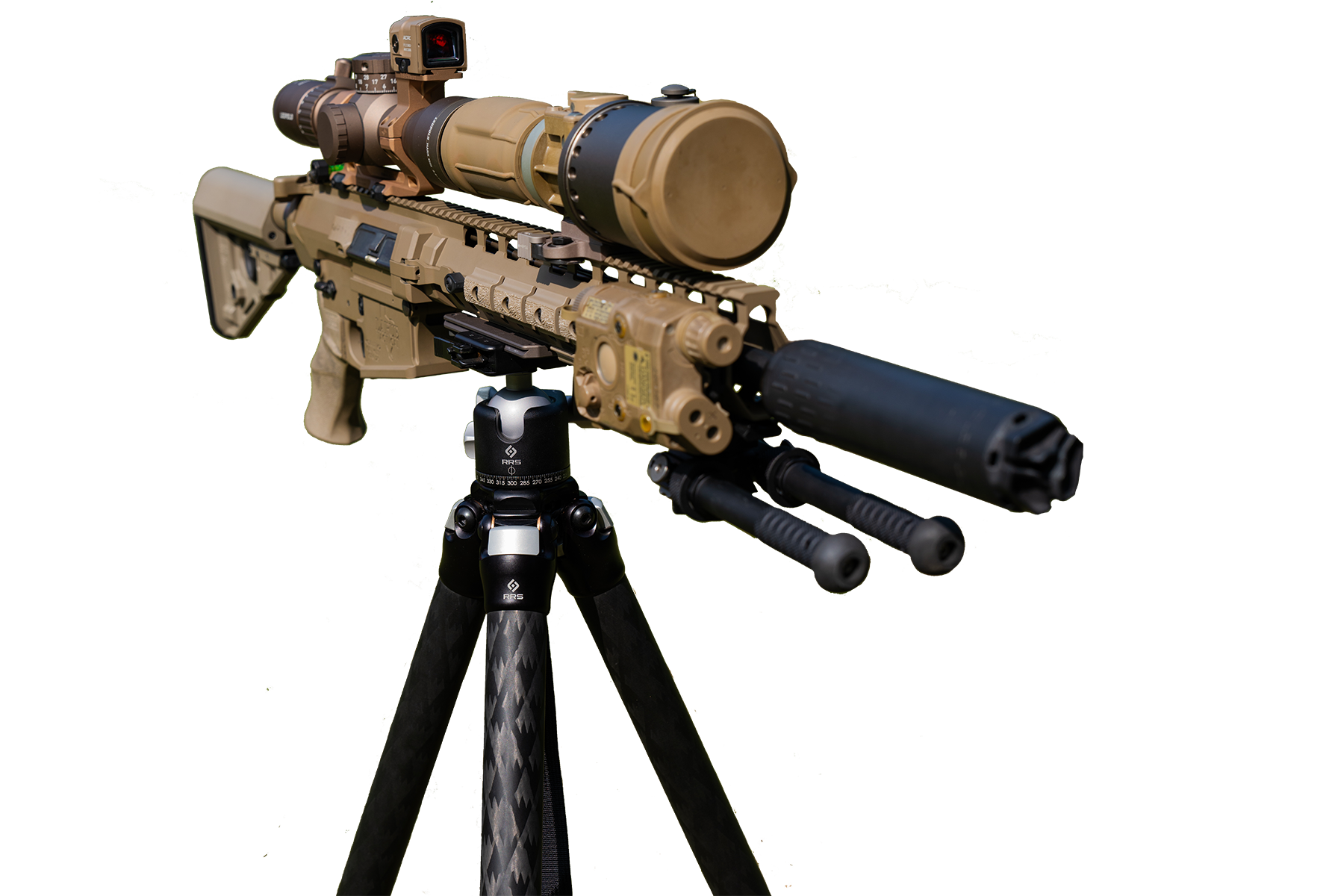
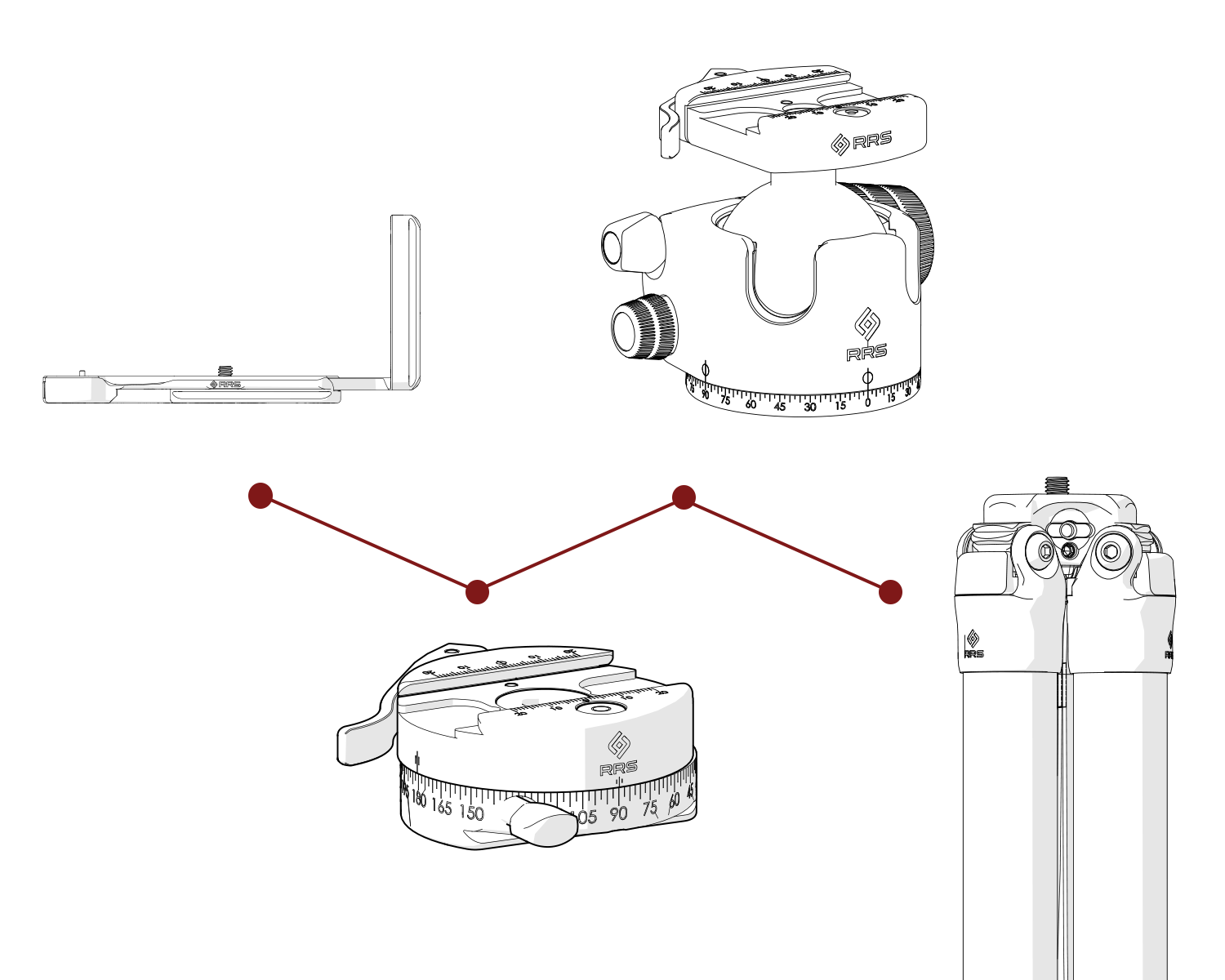
Really Right Stuff® designs ball heads as part of a complete support ecosystem that includes plates, L-Brackets, rails, ball heads, monopods, and tripods. As with all RRS® products, each head is engineered for smooth operation under load, secure clamp or rail mounting, and long-term reliability. The result is a fully integrated support system where every component works together to keep your gear stable and your workflow efficient.
Shop the RRS Ball Head Lineup
Every model from this guide, one tap away. Jump straight to the product page for the head that matches your load and mounting needs.
Anvil-30 ARC
40 lb capacity · 30mm ball · clamp included
Shop Anvil-30 ARC → BALL HEADBH-55
50 lb capacity · 55mm ball
Shop BH-55 → BALL HEADBH-40
18 lb capacity · 40mm ball
Shop BH-40 → BALL HEADBH-30
15 lb capacity · 30mm ball
Shop BH-30 → BALL HEADBH-25
8 lb capacity · 25mm ball
Shop BH-25 → MICRO BALL HEADBPC-16
3 lb capacity · 16mm ball · clamp included
Shop BPC-16 → MICRO BALL HEADBC-18
4.5 lb capacity · 18mm ball · clamp included
Shop BC-18 →Which Ball Head Is Right for You?
Compare RRS ball heads by load capacity, weight, height, width, ball diameter, clamp inclusion, and mounting thread. Filter and sort to find the right head for your camera, rifle, optic, or travel setup.
Final Takeaway
Confident framing starts with a solid head.
Choosing the right ball head improves stability, speeds up composition, and makes your tripod feel like an extension of how you shoot. Paired with RRS plates, L-Brackets, and tripods, a properly sized ball head gives you a secure, predictable platform, so you can concentrate on the image instead of fighting your support.